
Studio Haering.
Co-founder 2023-2025
Studio Haering is a circular fashion startup that transforms abandoned festival tents into durable tote and cross-body bags. The project started from the idea of turning the large amount of waste left behind at festivals into a valuable material resource. By repurposing tents into new products, Studio Haering combines sustainability, outdoor culture, and storytelling into functional everyday products.
Studio Haering demonstrates how sustainability can be translated into a desirable and scalable brand. By combining storytelling with tangible experiences, Haering creates emotional engagement while driving awareness and sales.
My experience during whilst building this start-up highlights my strengths in strategy, execution, and working within a real-world business context—bridging sustinable and playful design, marketing, and brand strategy.
design role.
Product Design & Development / Production Strategy / Marketing
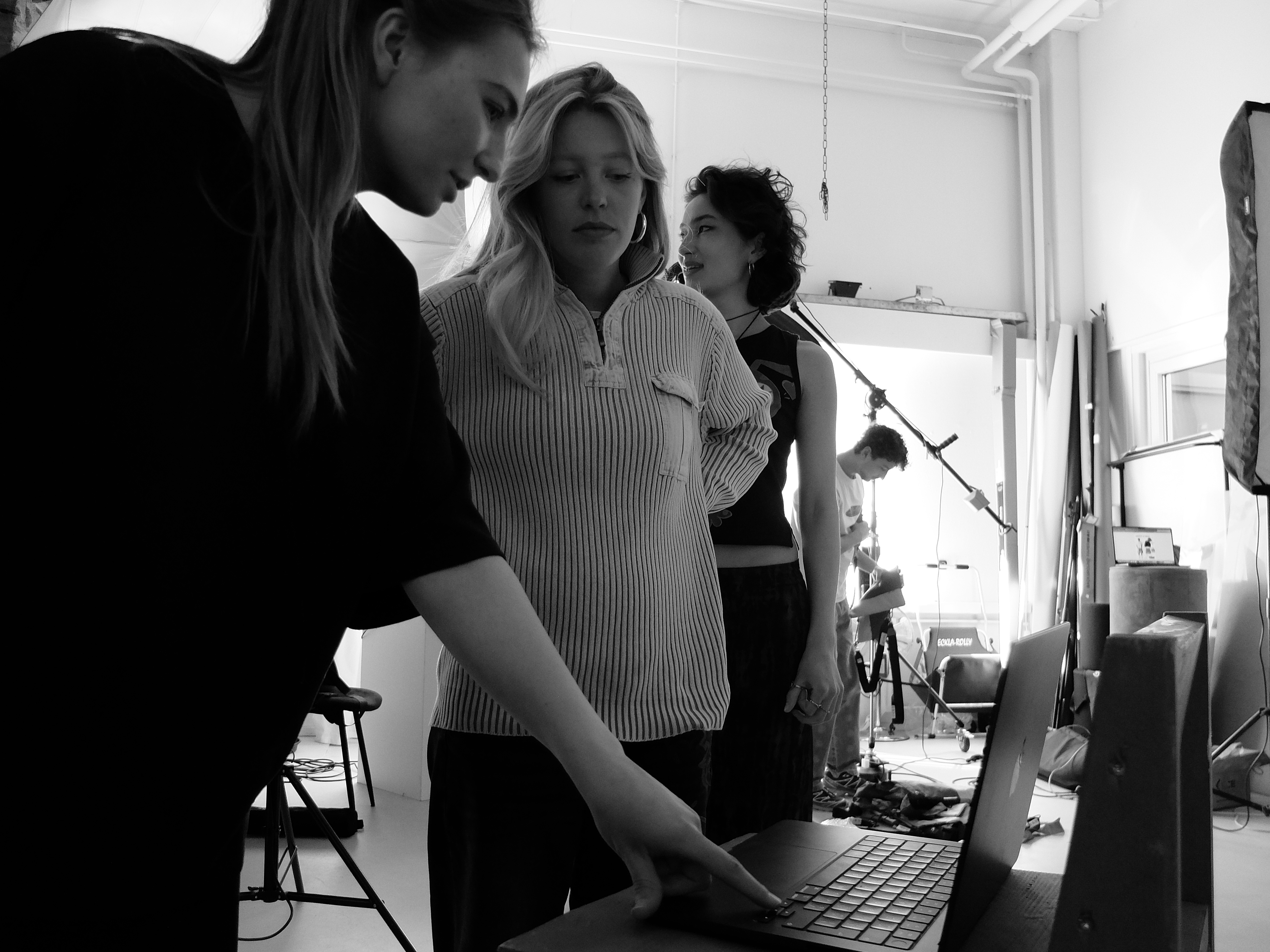
As a co-founder, I helped build and run the company for two years with my 2 other co-founder. My responsibilities as Product Developer included product design, iterating product details, creating tech packs, defining the production strategy, and coordinating with our production partners.
On the marketing side, I focussed on storytelling and communication strategy for our festival campaigns, social media campaigns and branding. This work spans brand positioning, marketing strategy, and activation—targeting a young, urban audience that values both aesthetics and impact. A strong focus is placed on community-building and real-life activation, using events and pop-ups as key moments to connect with the audience and test ideas in practice.
festival partners.
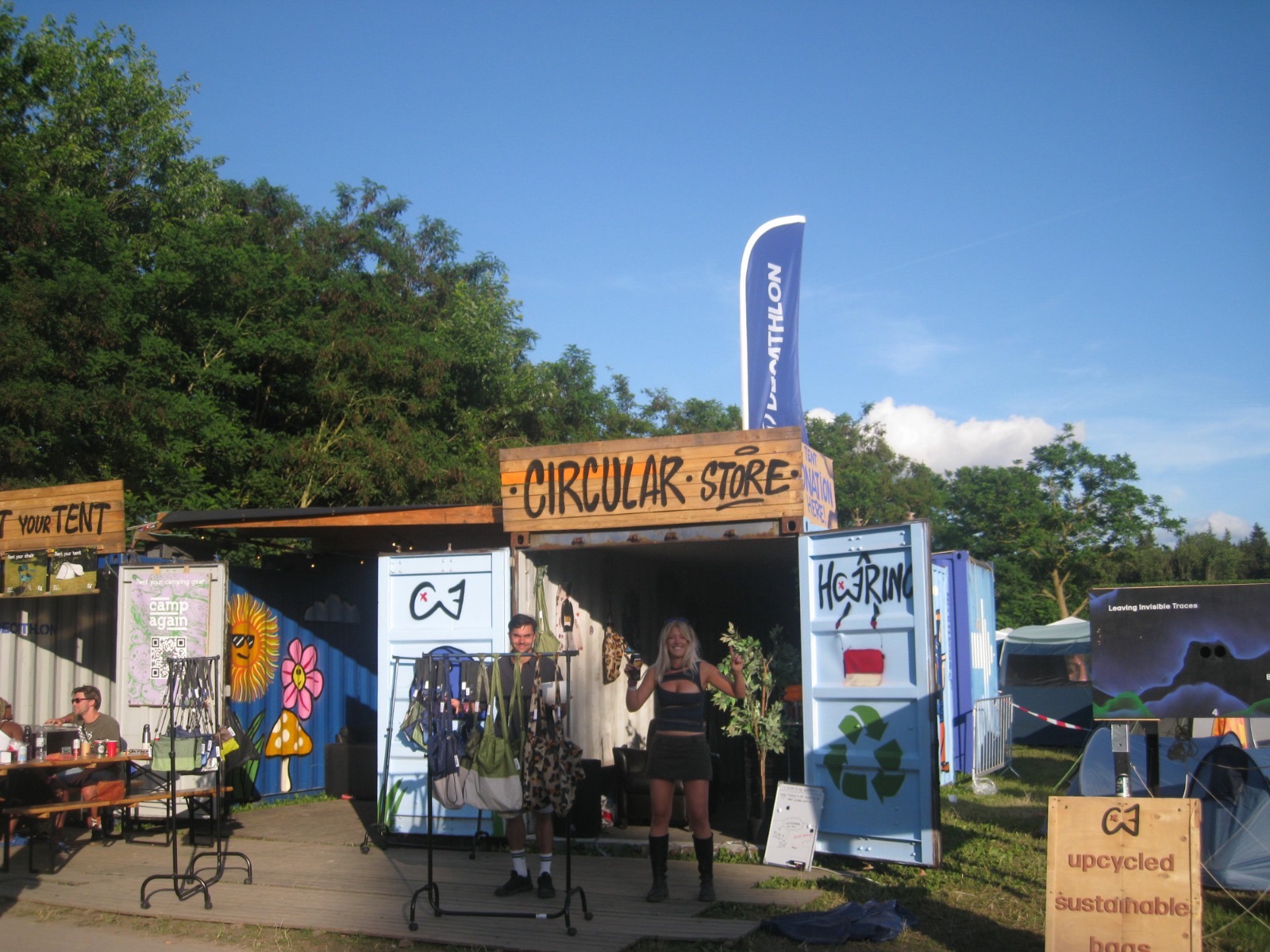
Studio Haering collaborated with brands and festivals including Decathlon, Kultlab, Wildeburg, and Into The Great Wide Open. At these festivals, abandoned tents were collected and repurposed as raw material for the bags, directly embedding circularity into the festival context.
The tent collection, sales of our bags and brand activations took place at our partnered Studio Haering and Decathlon "circular store', built as a repurposable sustainable hub at the festival.
These collaborations positioned the brand within the festival ecosystem, turning waste into a visible and relatable starting point for storytelling.

production partners.
Production was carried out in collaboration with social workshops in the Netherlands and circular production facilities in Poland, creating both environmental and social impact.
These partnerships enabled a transparent and responsible supply chain, reinforcing the brand’s commitment to circular design while contributing to social value through inclusive employment.
brand narrative.
Together, these collaborations form the foundation for a broader narrative around responsible festival culture—encouraging visitors to rethink waste and recognize discarded materials as valuable resources.
Through storytelling, events, and the products themselves, the brand aims to create awareness and inspire a more circular mindset within the festival community.